Die-cut & Die Makers · 7 stages in 3D

From drawing to trial cut. Fifty small jobs a day, every one on time.

Die making is precise work under constant time pressure. Follow a die through the shop and see where zappy.day removes the confusion.

Scroll to walk the factory floor
01 / 07

Drawing & customer approval

The customer sends a box layout. The designer prepares the die drawing with cut and crease lines, bridges and ejection, then sends it for approval.

Who's involved: Die designer, customer, sales coordinator
Where money leaks

Approvals come as a thumbs-up on WhatsApp. Later nobody is sure which version was approved, and the wrong one gets made.

With zappy.day

Drawing versions are saved with the job. The approval is recorded against a specific version, date and person, and production can only start on the approved one.

No wrong-version remakes
02 / 07

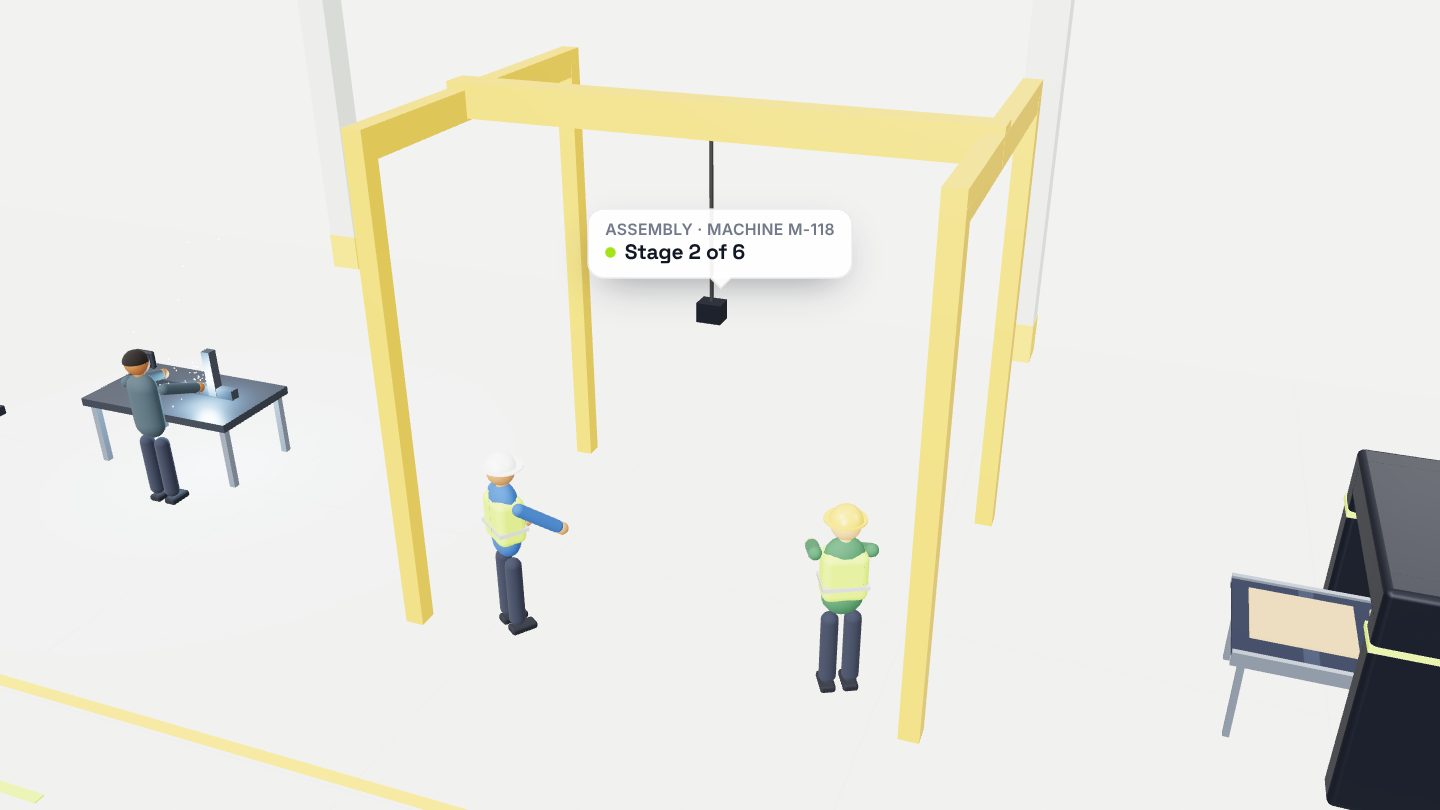
Laser cutting the board

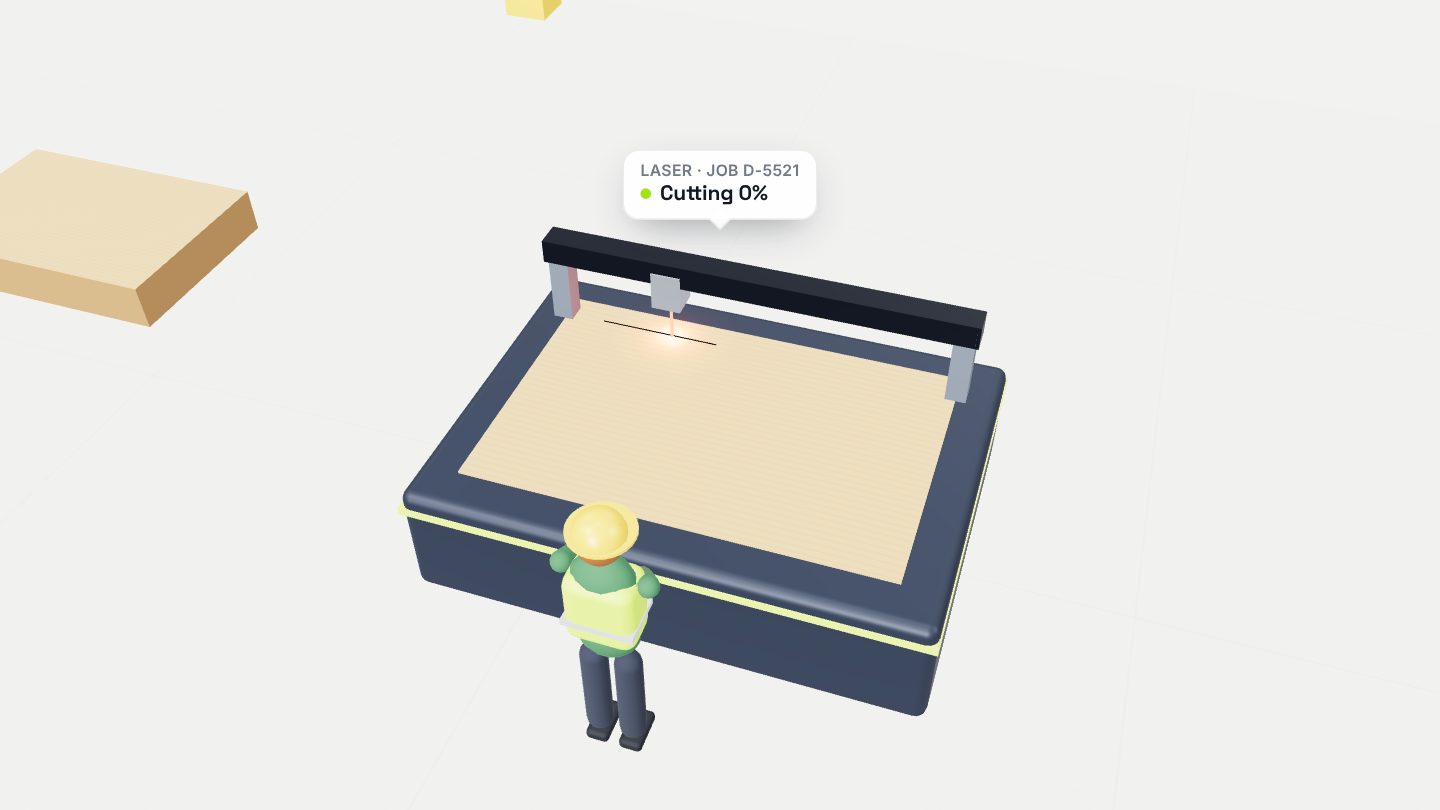
The approved drawing is laser-cut into plywood so the steel rules can sit in the slots exactly.

Who's involved: Laser operator
Where money leaks

The laser runs whatever comes first. Rush jobs jump the queue, and promised times are guesses.

With zappy.day

A laser job queue with estimated cutting time per job, so delivery promises are based on the real load.

Real delivery times
03 / 07

Rule bending

Cutting and creasing rules are bent to shape, by auto-bender or by hand, and cut to length.

Who's involved: Bending machine operator, rule fitter
Where money leaks

Rule consumption per die isn't known, so job cost is underestimated and offcuts pile up.

With zappy.day

Rule metres used are logged per job, along with consumables, so each die is costed properly.

Every die costed
04 / 07

Rule fixing

Rules are hammered into the laser-cut slots, with nicks and bridges set so the cut sheet holds together.

Who's involved: Die fitter
Where money leaks

Everyone works on everything. Nobody can see which job is at which stage, so every customer call becomes urgent.

With zappy.day

Stage tracking (design, laser, bending, fixing, rubbering, trial) for every job on one screen.

Every job visible
05 / 07

Rubbering

Ejection rubber of the right hardness is glued along the rules so the sheet releases cleanly after each cut.

Who's involved: Rubbering technician
Where money leaks

Rubber of the wrong hardness, and rubber stock that is never counted until it runs out.

With zappy.day

Rubber and board stock tracked with minimum levels, and the material spec saved on each job.

No stock surprises
06 / 07

Trial cut & QC

The die is trial-cut on a press with the customer's board to check cut, crease and ejection before delivery.

Who's involved: QC, press operator
Where money leaks

Problems are found at the customer's machine, and the die comes back for rework.

With zappy.day

A trial result with photo is recorded per die, and the customer is notified automatically when it is ready.

Fewer dies returned
07 / 07

Delivery & repeat orders

The die is packed and delivered. The same die design is often reordered months later.

Who's involved: Dispatch, accounts
Where money leaks

Old die details are hard to find, so repeat dies are redone from scratch, and many small invoices stay unpaid.

With zappy.day

A searchable die library by customer and box, with outstanding by customer and polite automatic reminders.
Repeat dies in minutes
The whole process at a glance

Die maker: stage by stage.

StageWhere money leaksWhat zappy.day does
1. Drawing & customer approvalApprovals come as a thumbs-up on WhatsApp. Later nobody is sure which version was approved, and the wrong one gets made.Drawing versions are saved with the job. The approval is recorded against a specific version, date and person, and production can only start on the approved one.
2. Laser cutting the boardThe laser runs whatever comes first. Rush jobs jump the queue, and promised times are guesses.A laser job queue with estimated cutting time per job, so delivery promises are based on the real load.
3. Rule bendingRule consumption per die isn't known, so job cost is underestimated and offcuts pile up.Rule metres used are logged per job, along with consumables, so each die is costed properly.
4. Rule fixingEveryone works on everything. Nobody can see which job is at which stage, so every customer call becomes urgent.Stage tracking (design, laser, bending, fixing, rubbering, trial) for every job on one screen.
5. RubberingRubber of the wrong hardness, and rubber stock that is never counted until it runs out.Rubber and board stock tracked with minimum levels, and the material spec saved on each job.
6. Trial cut & QCProblems are found at the customer's machine, and the die comes back for rework.A trial result with photo is recorded per die, and the customer is notified automatically when it is ready.
7. Delivery & repeat ordersOld die details are hard to find, so repeat dies are redone from scratch, and many small invoices stay unpaid.A searchable die library by customer and box, with outstanding by customer and polite automatic reminders.
We just walked your factory. Now let's fix the leaks.

A free visit or call. We'll show you which stage costs you the most, and how quickly it can be fixed.