Packaging Machinery Manufacturers · 7 stages in 3D

Every machine is a project. See it built, part by part, on time and on margin.

From the first drawing to the crated machine on the truck. Each stage shows how the work really happens on a machine shop floor, and where zappy.day keeps it on track.

Scroll to walk the factory floor
01 / 07

Design & bill of materials

Engineers turn the order specification into drawings and a bill of materials: hundreds of made, bought-out and standard parts per machine, often with a customer-specific variant.

Who's involved: Design engineer, project manager, sales (for specs)
Where money leaks

BOMs live in Excel. Revisions are not shared with purchase and the shop floor, so the wrong version gets made or bought.

With zappy.day

Machine-wise BOM with versions, linked to the sales order. Changes flow to purchase and production automatically.

One BOM version for everyone
02 / 07

Stores & purchase

Stores issue parts against each machine. Purchase orders bought-out items like motors, gearboxes, PLCs and bearings, often with long lead times.

Who's involved: Store keeper, purchase executive
Where money leaks

One long-lead part is noticed late, and a 95% complete machine waits weeks. Meanwhile stock that isn't needed piles up.

With zappy.day

A shortage list is generated from the BOM against stock and open POs, so long-lead items are ordered on day one. Parts are issued against each machine.

Shortages known weeks earlier
03 / 07

Machining

CNC machines and lathes make shafts, rollers, gears and plates to drawing tolerances. Each operation needs time, tooling and an operator.

Who's involved: CNC programmer, machinist, turner
Where money leaks

Jobs are picked by whoever shouts loudest. Machine hours per part are unknown, so outsourcing decisions are guesswork.

With zappy.day

Job cards per part and operation, with planned vs actual time. A machine-wise load view shows what to make in-house and what to outsource.

Real machine-hour costing
04 / 07

Fabrication & welding

Frames, side plates and guards are cut, bent and welded, then ground and painted.

Who's involved: Fabricator, welder, painter
Where money leaks

Steel consumption and labour hours per frame aren't tracked, so project cost overruns stay hidden.

With zappy.day

Material issued against each machine, and labour hours captured by job, giving project cost as it happens, not after delivery.

Cost per machine, live
05 / 07

Assembly

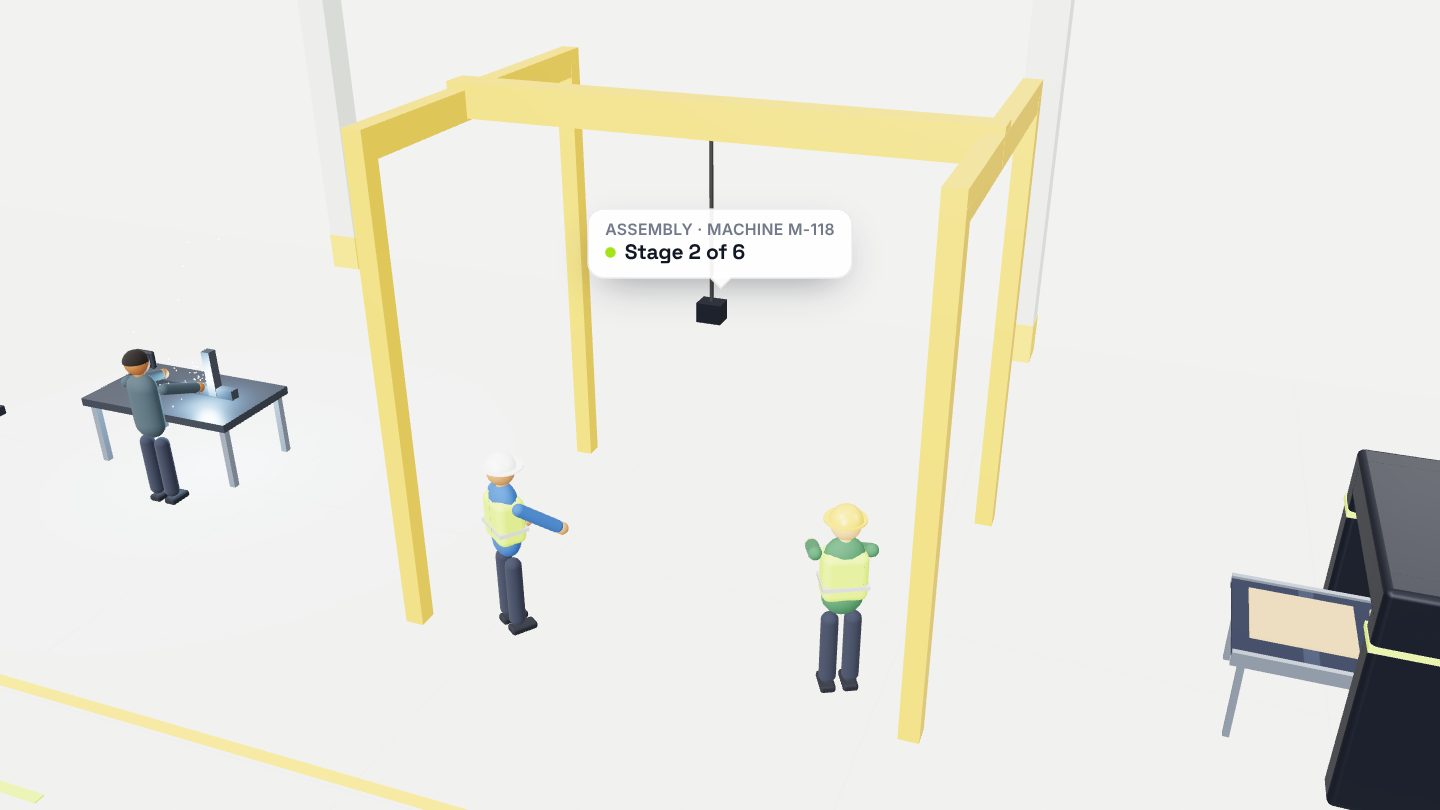
The machine is assembled stage by stage: frame, rollers, drives, electricals and guards. A crane moves the heavy sub-assemblies.

Who's involved: Assembly fitters, electrician, supervisor
Where money leaks

Nobody can say exactly how far each machine has progressed. Customers keep calling, and the delivery date keeps moving.

With zappy.day

A stage-wise assembly checklist for each machine, with progress visible to the owner and sales. Delays are flagged with a reason.

Delivery dates you can promise
06 / 07

Testing & trial

The finished machine is run with real material at rated speed. Settings and test results are noted, often with the customer watching.

Who's involved: Testing engineer, customer representative
Where money leaks

Test records are on paper, and punch-list items are forgotten until the customer finds them on site.

With zappy.day

A test checklist and punch list per machine, with sign-off before dispatch. The record stays linked to the machine's serial number.

Clean hand-over
07 / 07

Dispatch & milestone billing

The machine is crated, documented and shipped. Payment comes in milestones: advance, dispatch, and installation.

Who's involved: Dispatch, accounts, sales
Where money leaks

Milestone invoices are raised late or forgotten. Cash is stuck while the next machines are being financed.

With zappy.day

Milestones are linked to project stages: when a stage closes, the invoice is ready and reminders go out automatically.
Milestone cash on time
The whole process at a glance

Packaging machinery manufacturer: stage by stage.

StageWhere money leaksWhat zappy.day does
1. Design & bill of materialsBOMs live in Excel. Revisions are not shared with purchase and the shop floor, so the wrong version gets made or bought.Machine-wise BOM with versions, linked to the sales order. Changes flow to purchase and production automatically.
2. Stores & purchaseOne long-lead part is noticed late, and a 95% complete machine waits weeks. Meanwhile stock that isn't needed piles up.A shortage list is generated from the BOM against stock and open POs, so long-lead items are ordered on day one. Parts are issued against each machine.
3. MachiningJobs are picked by whoever shouts loudest. Machine hours per part are unknown, so outsourcing decisions are guesswork.Job cards per part and operation, with planned vs actual time. A machine-wise load view shows what to make in-house and what to outsource.
4. Fabrication & weldingSteel consumption and labour hours per frame aren't tracked, so project cost overruns stay hidden.Material issued against each machine, and labour hours captured by job, giving project cost as it happens, not after delivery.
5. AssemblyNobody can say exactly how far each machine has progressed. Customers keep calling, and the delivery date keeps moving.A stage-wise assembly checklist for each machine, with progress visible to the owner and sales. Delays are flagged with a reason.
6. Testing & trialTest records are on paper, and punch-list items are forgotten until the customer finds them on site.A test checklist and punch list per machine, with sign-off before dispatch. The record stays linked to the machine's serial number.
7. Dispatch & milestone billingMilestone invoices are raised late or forgotten. Cash is stuck while the next machines are being financed.Milestones are linked to project stages: when a stage closes, the invoice is ready and reminders go out automatically.
We just walked your factory. Now let's fix the leaks.

A free visit or call. We'll show you which stage costs you the most, and how quickly it can be fixed.